
Skin Cancer Treatment in Somerset West
Diagnosis, biopsy and excision of skin cancer at The Sanctuary, led by our doctors.
If a doctor has told you a spot on your skin may be a skin cancer, or a biopsy has confirmed one, you want it treated properly and without a long wait. At West-Med The Sanctuary in Somerset West, our doctors diagnose and treat skin cancer on site, from the first dermoscopy assessment through biopsy and excision to the histology that confirms it has been fully removed. You are usually seen within 7 working days, at times up to 4 weeks when the waiting list is long, compared with roughly 6 months for a specialist dermatologist appointment.
Skin cancers we treat
Most of the skin cancers we see grow on skin that has had years of sun: the face, ears, scalp, neck, forearms and the backs of the hands.
- Basal cell carcinoma (BCC): the most common skin cancer. It often looks like a shiny or pearly bump, or a sore that bleeds, crusts and heals, then comes back. It grows slowly and rarely spreads, but it keeps growing into the surrounding skin until it is removed.
- Squamous cell carcinoma (SCC): a rough, scaly or crusted patch, or a firm growth that does not heal, usually on sun-exposed skin. It needs to be removed completely, because a small number can spread if left untreated.
- Suspicious lesions, including possible melanoma: a mole or spot that is new, changing or looks different from the rest. We assess it with dermoscopy and take a biopsy where needed, and if melanoma is confirmed we arrange the next step with a specialist without delay.
Rough, sun-damaged patches called actinic keratoses are not skin cancer, but some can become one. They are treated through our Skin Cancer Prevention and Treatment Programme.
How skin cancer treatment works
- Consultation and dermoscopy: your doctor examines the lesion with a dermatoscope, a magnifying light that shows structures the eye cannot see, and checks the skin around it.
- Biopsy where needed: if the diagnosis is not certain, a small sample is taken under local anaesthetic and sent to the laboratory for histology.
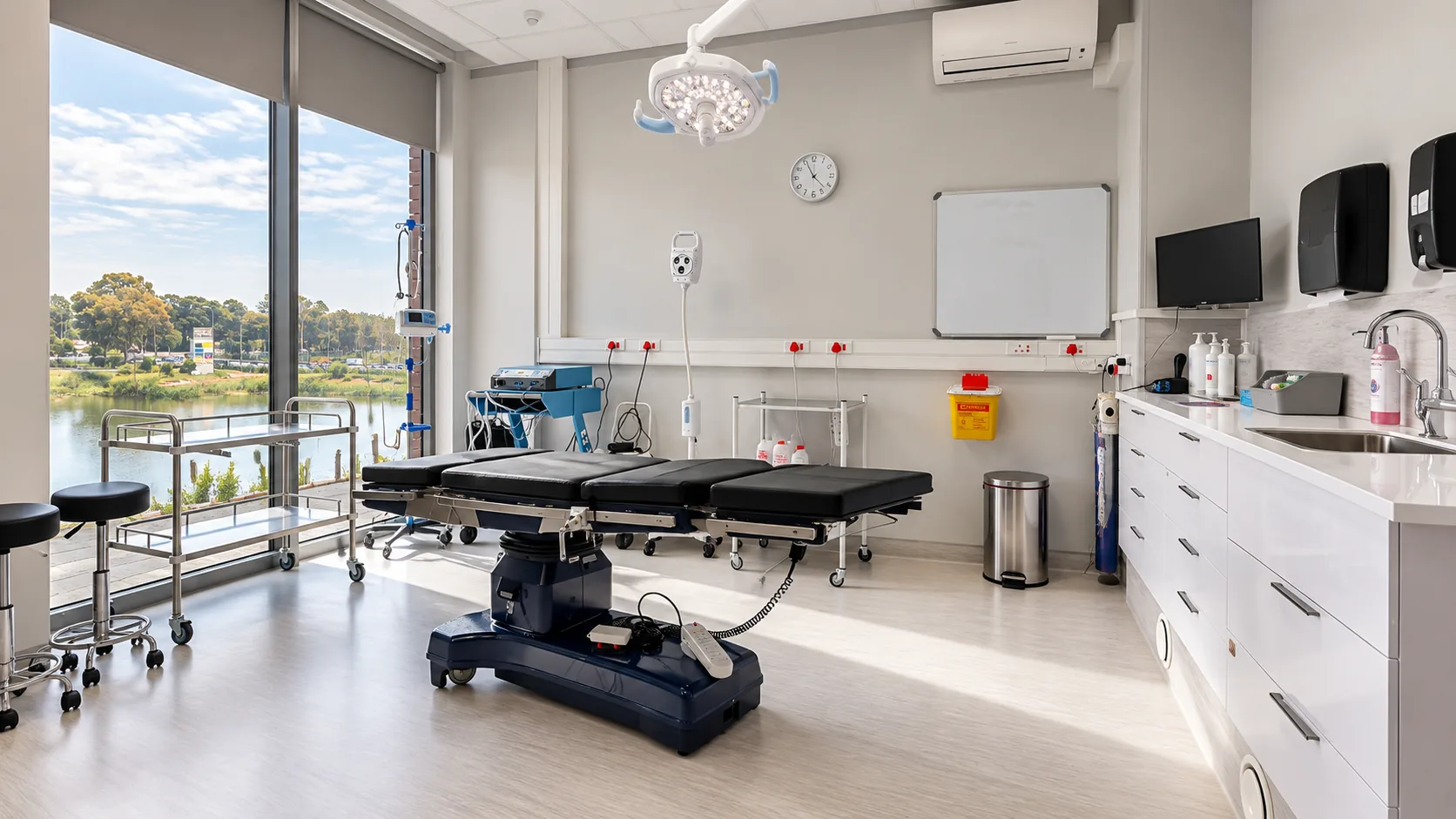
- Surgical excision: the lesion is removed with a margin of healthy skin around it. Where the wound needs it, the skin is closed with a reconstruction such as a local skin flap, in our sedation unit.
- Histology: the removed tissue is examined in the laboratory to confirm the cancer has been fully removed. If the margins are not clear, we talk you through what comes next.
- Follow-up: a wound check, your results, and a plan for the rest of your skin, which can include full body mole mapping to monitor your other moles.
Specialist backup when you need it
No specialist dermatologist works in our clinics, and we will not suggest otherwise. What we have instead are direct referral pathways with specialist dermatologists. High-risk cases are reviewed through a second-opinion service using images from the FotoFinder ATBM Master, so a specialist sees your lesion without you waiting months for an appointment, and a confirmed diagnosis means a faster referral and a faster biopsy.
Some skin cancers are better treated with Mohs surgery, a specialist technique that removes the cancer layer by layer while saving as much healthy skin as possible. It is often used on sensitive areas such as the eyelids, nose, lips and ears, and if your lesion is one of them we refer you directly.
Medical aid and costs
We are contracted with medical aids, and skin cancer excisions are charged within scheme rates, so co-payments are usually minimal. Your cover still depends on your scheme and plan: check whether we accept yours with our medical aid checker. If you are paying yourself, reception will give you a quote after your consultation.
Who you will see
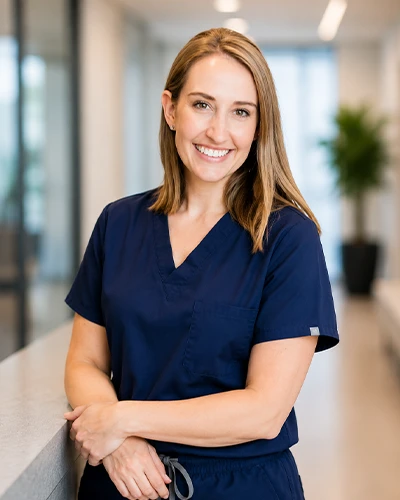
Dr Esther Scott
Dr Esther Scott leads skin cancer care at The Sanctuary. She is a GP with a special interest in dermatology, with an MBChB from the University of the Free State and a Diploma in Dermatology from the Royal College of Physicians of Ireland. Before focusing on skin she worked in plastic surgery alongside a specialist plastic and reconstructive surgeon, and that shapes how she plans an excision: remove what needs to go, and keep the scar as small and neat as possible.
Where to have this done
Skin Cancer Treatment & Excisions is available at The Sanctuary only.
Related
Not sure whether this is what you need? Call 021 490 4380 and describe the problem. Reception will book you with the right person.
Skin Cancer Treatment & Excisions: common questions
Cannot find what you are looking for? Message us on WhatsApp and reception will come back to you.
WhatsApp UsIs this a dermatologist?
No. Our doctors are GPs, and skin cancer care at The Sanctuary is led by Dr Esther Scott, a GP with a special interest in dermatology. High-risk cases are reviewed by specialist dermatologists through our second-opinion service, and we refer you directly when you need a specialist.
Do I need a referral?
No, you can book directly by phone, WhatsApp or the enquiry form. If a GP or dermatologist has already seen the lesion, bring their letter and any biopsy results, because it saves time at your first visit.
Will my medical aid cover the excision?
We are contracted with medical aids and charge skin cancer excisions within scheme rates, so co-payments are usually minimal. Cover still depends on your scheme and plan, so check the medical aid checker or ask reception for a quote before your procedure.
How soon can I be seen?
Usually within 7 working days, and at times up to 4 weeks when the waiting list is long. That compares with roughly 6 months for most specialist dermatologist appointments. We do not offer same-day skin appointments, so call as soon as you are worried about a spot.
Will it leave a scar?
Any excision leaves a scar, because the skin has to heal. Your doctor plans the cut along the natural lines of your skin where possible and closes it carefully to keep the scar small and neat, and most scars fade over the months that follow.
How long do histology results take?
Your sample is examined by an external laboratory, and your doctor will tell you when to expect the result. We contact you when it is back and go through it with you at your follow-up visit.
Is it done under local anaesthetic or sedation?
Biopsies and smaller excisions are done under local anaesthetic, so you are awake but the area is numb. Larger excisions, or those that need a skin reconstruction, can be done in our sedation unit, and your doctor will recommend what suits you at the consultation.
What happens if it is melanoma?
If histology confirms melanoma, we go through the result with you in person and refer you to a specialist for the next stage of treatment without delay. Melanoma care usually needs a wider excision and further assessment, and we help coordinate it so you are not left to arrange it alone.
Other treatments we offer
 Read more
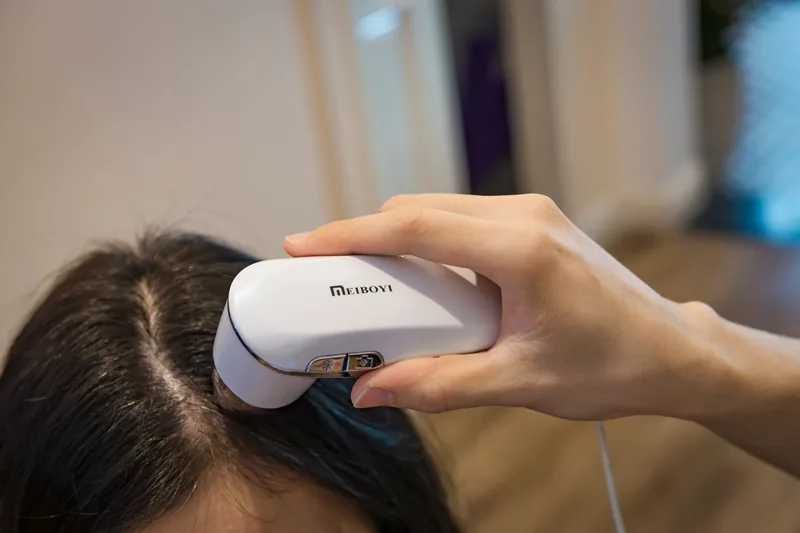
Trichoscopy
Advanced digital analysis of hair and scalp
 Read more
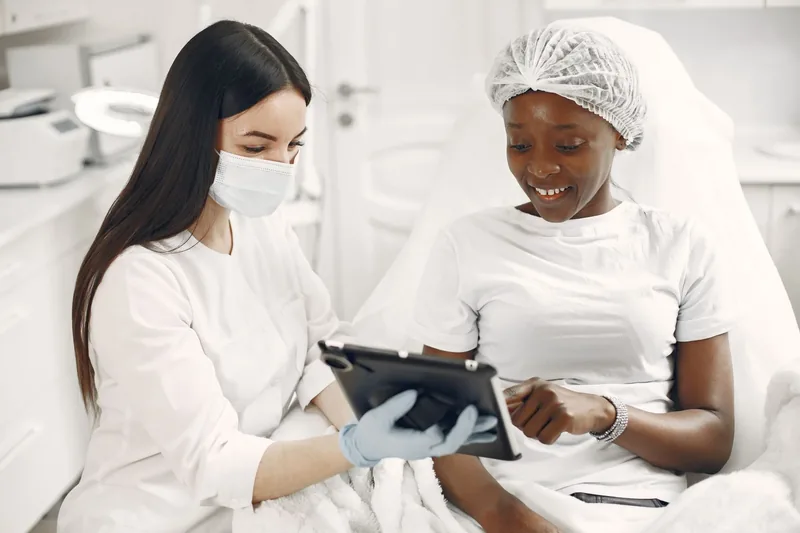
Psoriasis Monitoring
Advanced imaging to document and monitor psoriasis
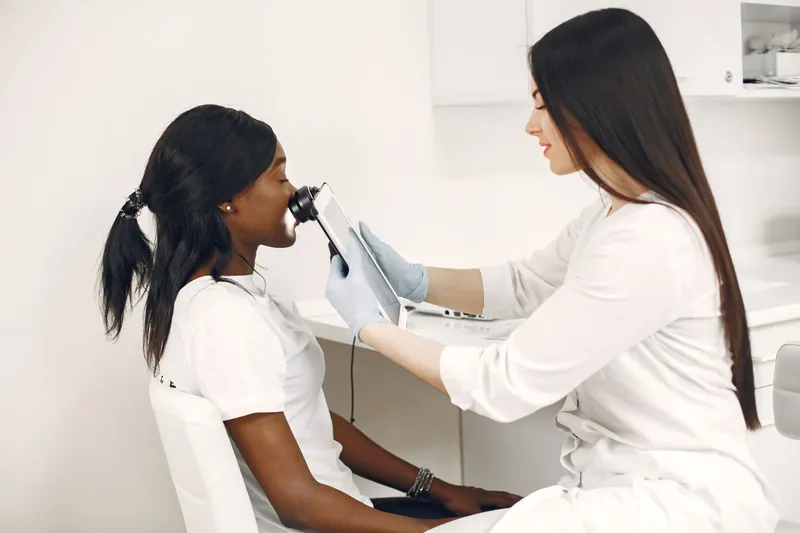 Read more
Aesthetic Skin Analysis
Advanced imaging for personalised aesthetic treatment planning
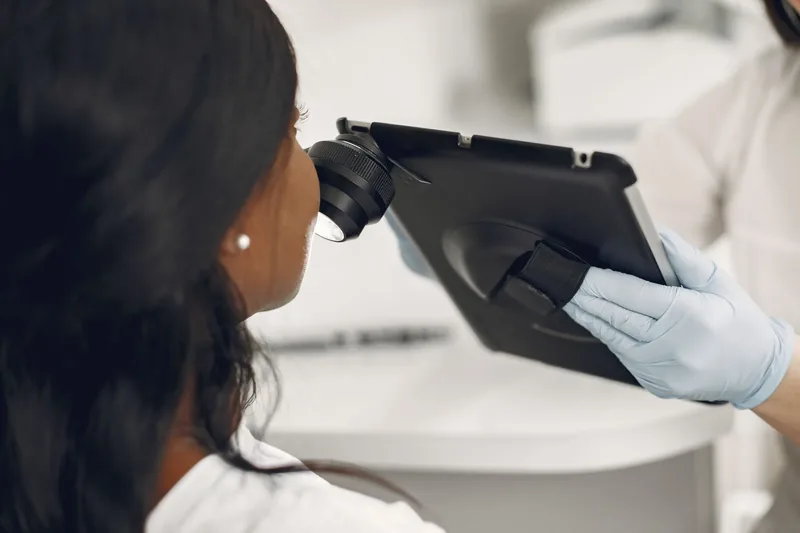 Read more
Total Body Dermoscopy
Advanced full-body imaging for detailed skin monitoring
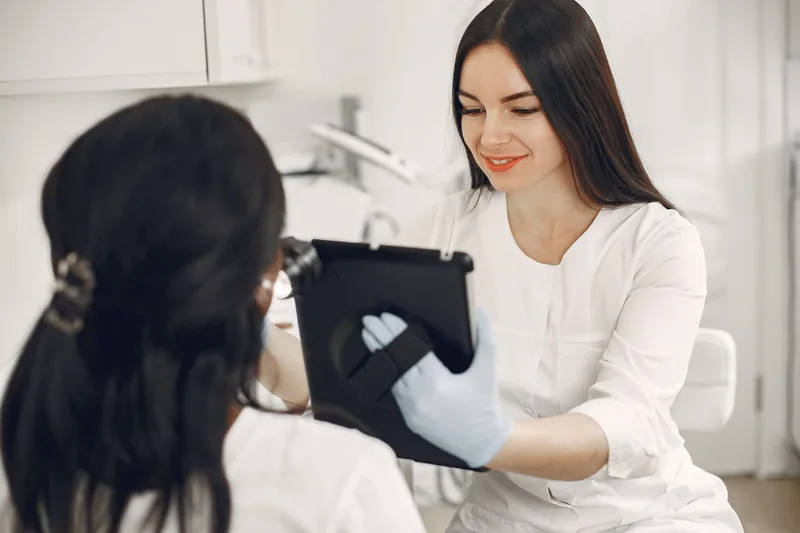 Read more
Skin Cancer Prevention and Treatment Programme
Treatment for sun damage and actinic keratosis, with daily WhatsApp support.
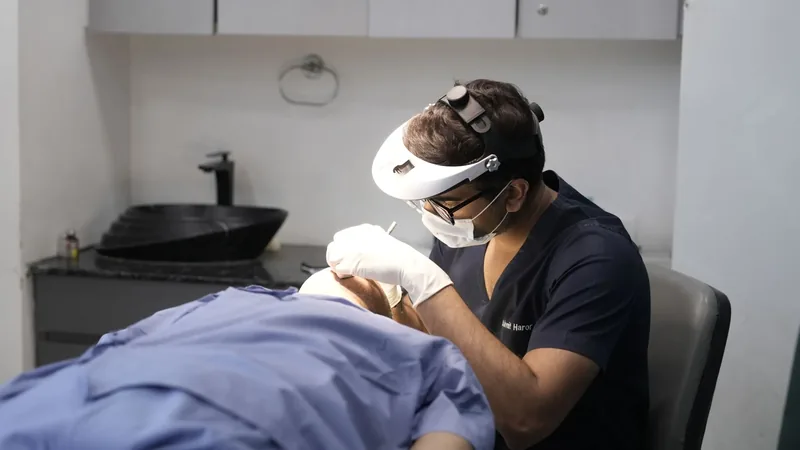 Read more
Mole & Skin Lesion Removal
Medical removal of moles and skin lesions, with histology on everything we remove.
Book skin cancer treatment & excisions
Book a slot, see a doctor who listens, and leave with a clear plan.
Operating hours
- Monday – Friday
- 08:00 – 19:00
- Saturday
- 09:00 – 17:00
- Sunday
- 09:00 – 14:00
- Public holidays
- 08:00 – 14:00
Shop F14A, First Floor, The Sanctuary Shopping Centre, Cnr De Beers Ave & Broadway Blvd (R44), Somerset West, 7130