
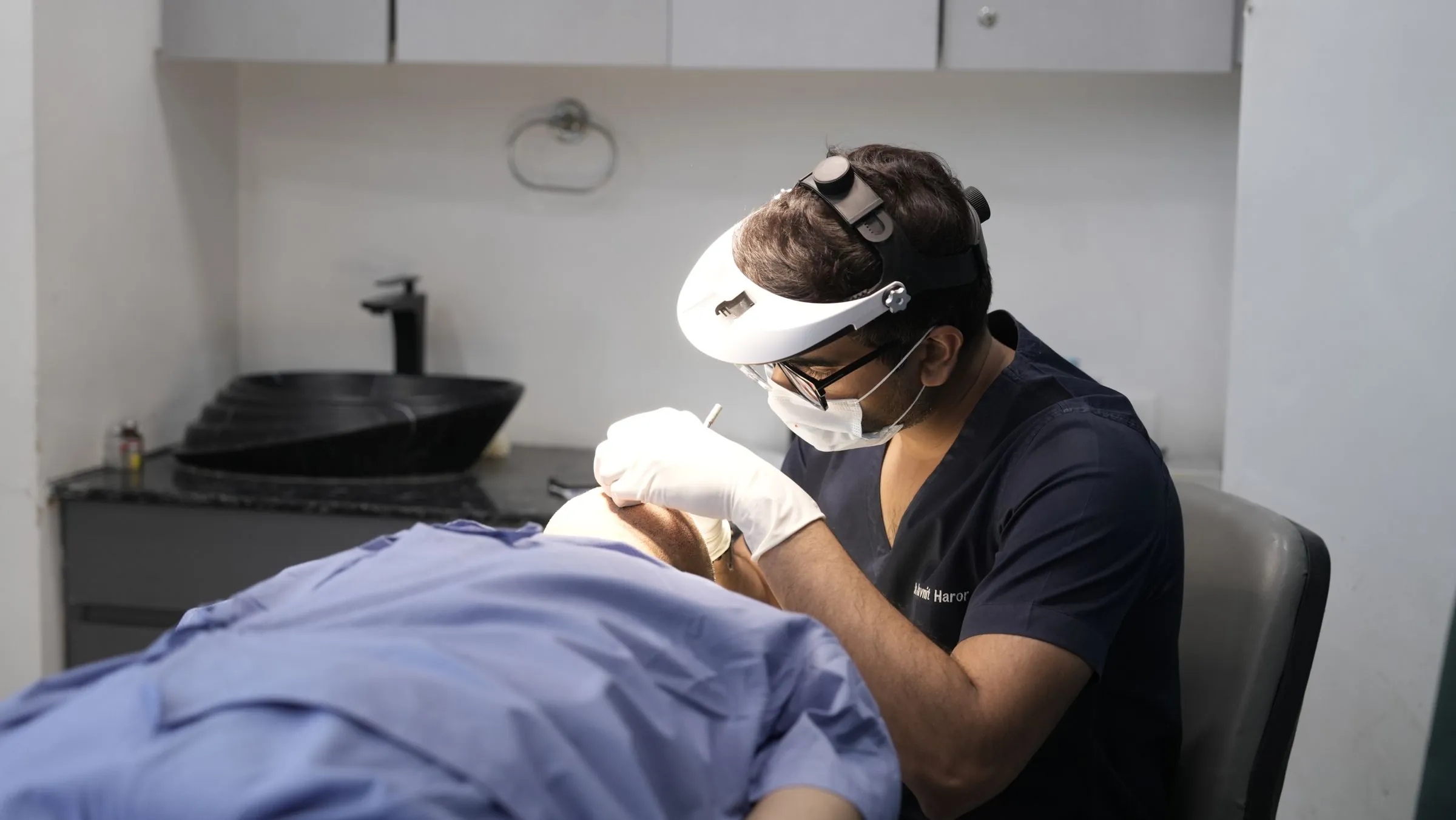
Mole and Skin Lesion Removal in Somerset West
Moles and skin lesions assessed, removed in-rooms and sent for histology.
A mole that has changed, keeps bleeding or catches on your clothes is worth taking off, and so is any lesion a doctor is not happy with. At West-Med The Sanctuary in Somerset West, every mole or skin lesion is assessed by one of our doctors before it is removed, taken off in-rooms under local anaesthetic when that is the right approach, and sent to the laboratory for histology. You leave knowing not only that it is gone, but what it was.
When should a mole come off?
Most moles are harmless and can stay where they are. Removal makes sense when a mole:
- is changing in size, shape or colour
- bleeds, itches or crusts without an obvious reason
- catches on clothing, jewellery or a razor
- worries a doctor who has examined it
The ABCDE warning signs
- Asymmetry: one half does not match the other.
- Border: the edges are ragged, notched or blurred.
- Colour: several shades of brown or black, or patches of red, white or blue.
- Diameter: larger than about 6 mm, although a melanoma can be smaller.
- Evolving: any change in size, shape, colour, height or symptoms.
One of these signs does not mean a mole is cancerous, but it does mean a doctor should look at it.
How mole removal works
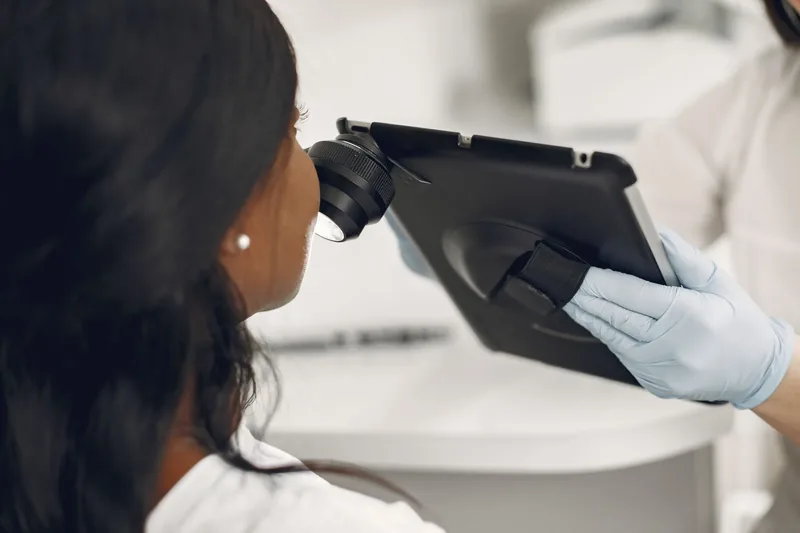
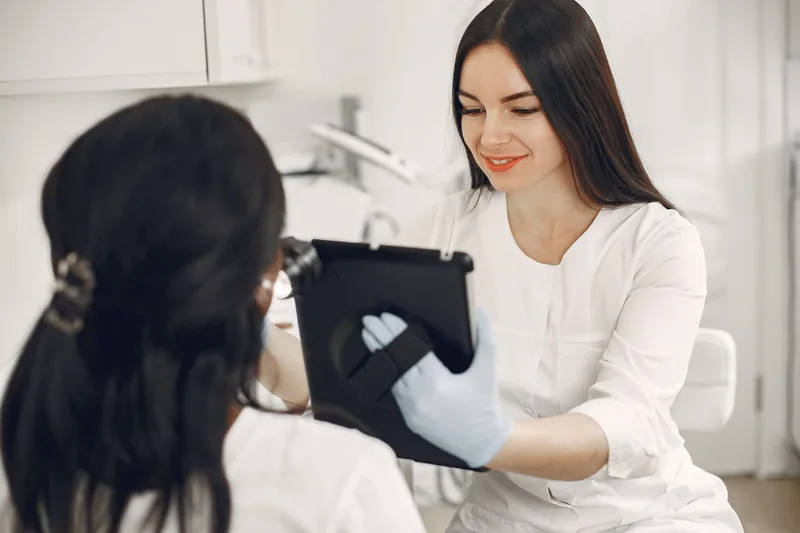
- Assessment and dermoscopy: your doctor examines the mole under a dermatoscope and decides whether it needs to come off, and how.
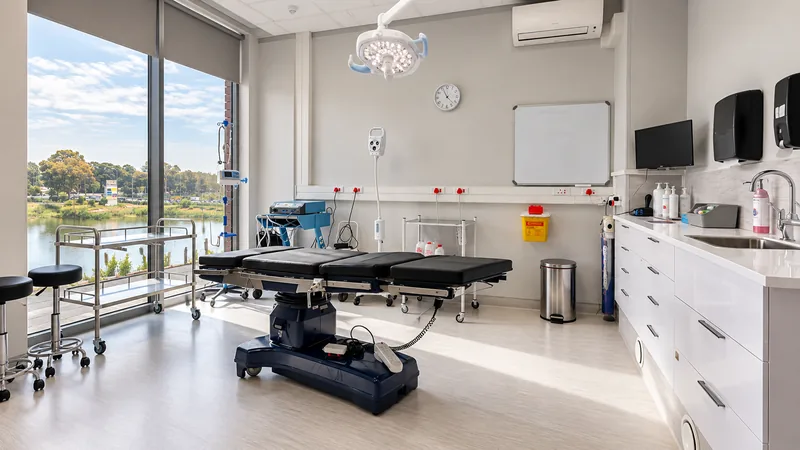
- Removal: under local anaesthetic, in one of three ways. A shave removal takes a raised mole off level with the skin. A punch removal lifts out a small lesion with a tiny circular blade. An excision cuts out the whole lesion with a margin of normal skin and closes the wound with stitches. Your doctor explains which suits your mole.
- Histology: the tissue goes to the laboratory, where a pathologist examines it under a microscope.
- Results and aftercare: we contact you with your results, check the wound and take out any stitches. If histology shows a skin cancer, we explain the result and plan the next step in treatment.
Medical removal, not cosmetic
We do not laser off or burn away a mole that has not been checked, and we send what we remove for histology. Destroying a mole without a sample means nobody can ever confirm what it was, and a melanoma treated that way can be missed. If you simply want a harmless mole gone, it is still assessed first.
Aftercare and scarring
Keep the wound clean and dry for the first day or two, then follow the written instructions you are given. If you have stitches, they come out at a short follow-up visit after about one to two weeks, depending on where the mole was. Every removal leaves a mark: a shave removal usually leaves a small flat or pale patch, and an excision a fine line that fades over the following months. Keep the healing skin out of the sun, which can darken a new scar.
Medical aid and costs
Removal for a medical reason, such as a changing or suspicious mole, may be covered by your medical aid depending on your scheme and plan, and the laboratory bills separately for histology. See whether we accept your scheme with our medical aid checker, and ask reception for a quote if you are paying yourself.
Where to have this done
Mole & Skin Lesion Removal is available at The Sanctuary only.
Related
Not sure whether this is what you need? Call 021 490 4380 and describe the problem. Reception will book you with the right person.
Mole & Skin Lesion Removal: common questions
Cannot find what you are looking for? Message us on WhatsApp and reception will come back to you.
WhatsApp UsDoes mole removal hurt?
You feel a brief sting from the local anaesthetic injection, and after that the area is numb, so the removal itself should not hurt. It may be tender for a day or two afterwards, and simple pain relief is usually enough.
Will it scar?
Any removal leaves some mark, but we keep it as small and neat as we can. The scar depends on the size and position of the mole and the method used, and your doctor will talk you through it before you decide.
How long until I get my results?
Histology is done by an external laboratory. Your doctor will tell you when to expect the result, and we contact you as soon as it is back.
Can you remove a mole on my face?
Yes. A mole on the face is assessed in the same way, and the method is chosen with the scar in mind. A suspicious lesion on a delicate area such as the eyelid, nose or lip may be referred for specialist surgery instead.
Is mole removal covered by medical aid?
Removal for a medical reason may be covered, depending on your scheme and plan, and the laboratory bills separately for histology. Removal purely for appearance is usually self-pay, so check the medical aid checker or ask reception for a quote.
What if the results show skin cancer?
We go through the result with you in person and plan what happens next. Often that is a wider excision to make sure the margins are clear, done here at The Sanctuary, or a referral where a specialist is the better option. Read more about skin cancer treatment.
Other treatments we offer
 Read more
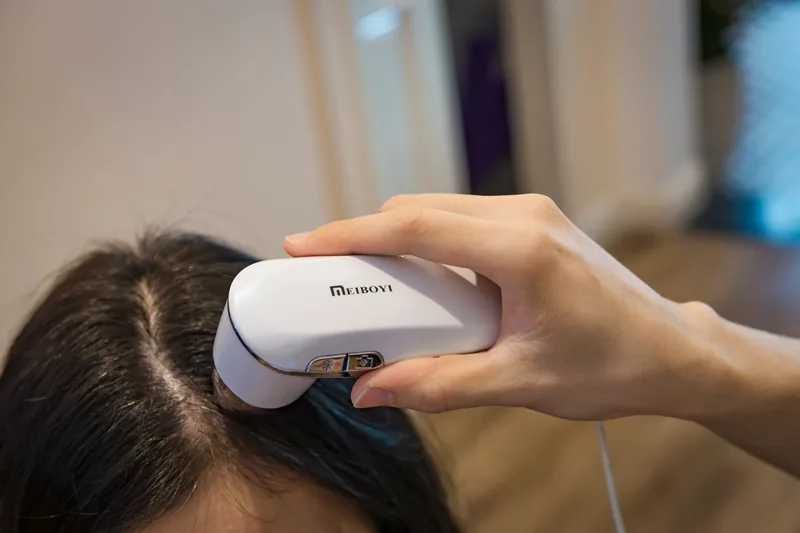
Trichoscopy
Advanced digital analysis of hair and scalp
 Read more
Psoriasis Monitoring
Advanced imaging to document and monitor psoriasis
 Read more
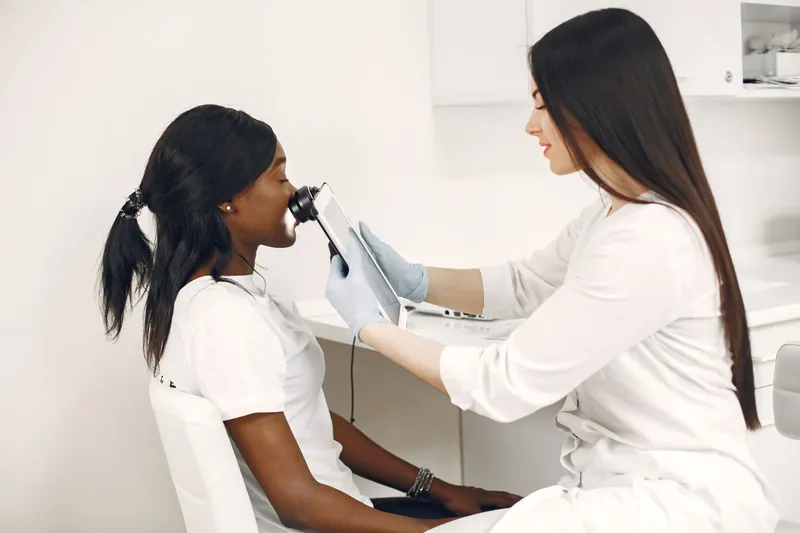
Aesthetic Skin Analysis
Advanced imaging for personalised aesthetic treatment planning
 Read more
Total Body Dermoscopy
Advanced full-body imaging for detailed skin monitoring
 Read more
Skin Cancer Treatment & Excisions
Biopsy, excision and histology for basal cell, squamous cell and suspicious lesions.
 Read more
Skin Cancer Prevention and Treatment Programme
Treatment for sun damage and actinic keratosis, with daily WhatsApp support.
Book mole & skin lesion removal
Book a slot, see a doctor who listens, and leave with a clear plan.
Operating hours
- Monday – Friday
- 08:00 – 19:00
- Saturday
- 09:00 – 17:00
- Sunday
- 09:00 – 14:00
- Public holidays
- 08:00 – 14:00
Shop F14A, First Floor, The Sanctuary Shopping Centre, Cnr De Beers Ave & Broadway Blvd (R44), Somerset West, 7130