
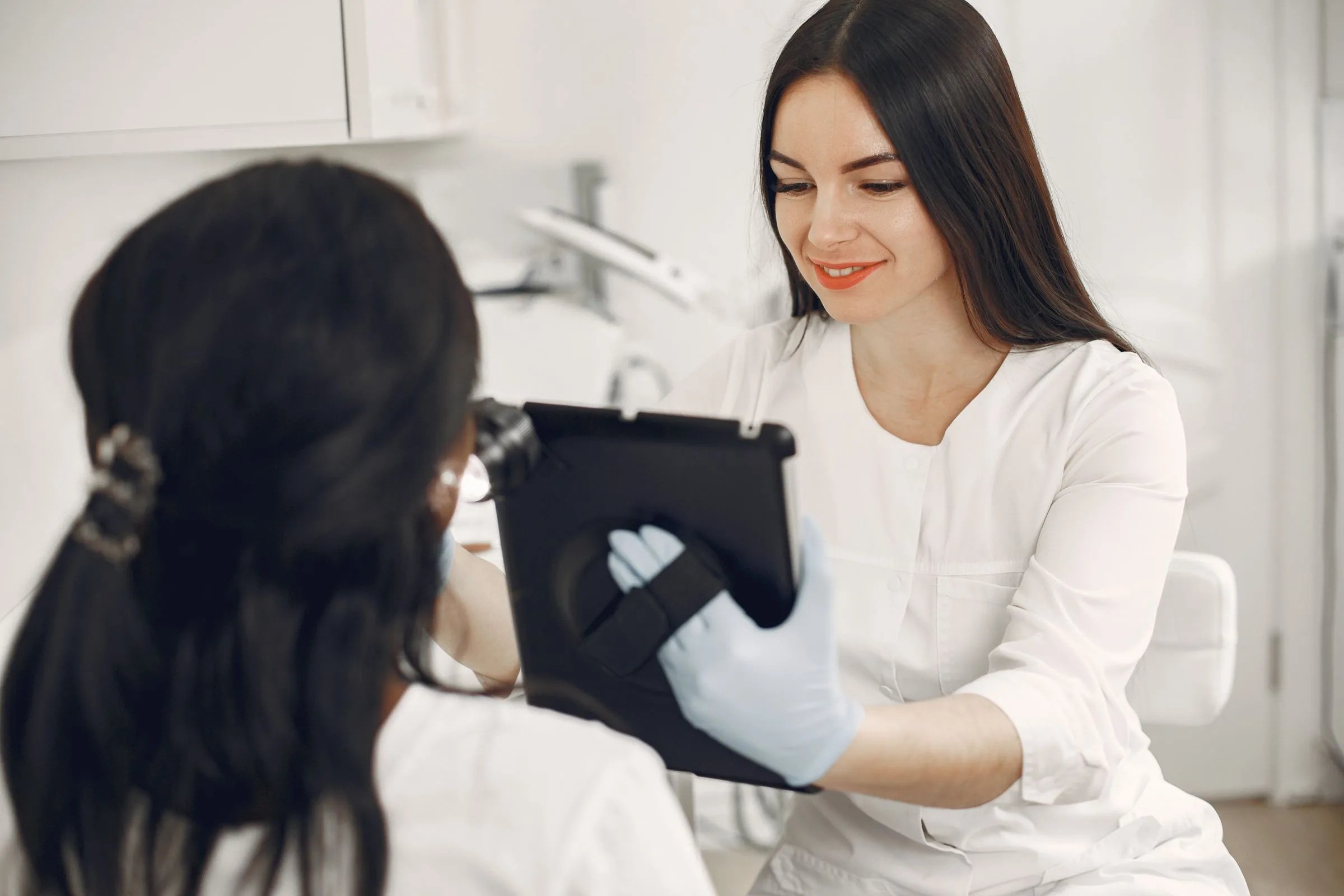
Skin Cancer Prevention and Treatment Programme
Supporting you to complete your treatment.
Years of South African sun leave their mark. For many people it shows up as rough, scaly patches called actinic keratoses, or as wide areas of sun-damaged skin. The Skin Cancer Prevention and Treatment Programme at West-Med The Sanctuary in Somerset West treats that damage with a prescription topical treatment, and our team stays in touch with you every day until the course is done. That daily support is the point of the programme: a treatment that is stopped halfway does not do its job.
Who the programme is for
- People with significant sun damage, especially on the face, scalp, ears, forearms and hands.
- Anyone with several actinic keratoses, or new ones appearing year after year.
- Patients referred by their own doctor or a dermatologist for treatment of sun-damaged skin.
Not sure whether a spot is sun damage or something that needs a biopsy? Start with a mole check and we will tell you which route fits.
Why treat actinic keratoses?
An actinic keratosis is a rough, dry or scaly patch caused by long-term sun exposure. It is common, and on its own it is not cancer. Some actinic keratoses do develop into squamous cell carcinoma over time, and there is often more damage in the surrounding skin than you can see. Treating the whole affected area early deals with the visible patches and the damage around them, and is simpler than treating a skin cancer later.
How the programme works
- Intake consultation and dermoscopy: with Dr Esther Scott, to check each lesion and rule out anything that needs a biopsy first. If a specialist dermatologist referred you, we start from their assessment.
- Your treatment plan: a prescription topical treatment that you apply at home, with your plan reviewed daily by a dermatology-trained doctor.
- Daily WhatsApp check-ins: our team asks how your skin feels every day and tells you what to expect at each stage, from the first redness to the peak of the reaction, including how to keep the treated skin out of the sun.
- A clinic visit at the peak: when the inflammation is at its strongest, you come in for Dermalux LED light therapy to calm the skin, with pain relief if you need it.
- Follow-up: a review once your skin has settled, to check the result and plan how to protect it from here.
Photodynamic therapy
For some patients, photodynamic therapy (PDT) is an alternative or an addition to the topical treatment. A light-sensitising cream is applied to the affected skin, and the area is then treated with Dermalux light, which activates the cream so it targets the damaged cells. Your doctor will tell you at your intake consultation whether PDT suits your skin.
For doctors
Referring a patient with actinic keratoses or extensive sun damage? Use our practitioner skin referral form. We send your patient's findings and treatment summary back to you, so you stay in the loop.
Medical aid and costs
What your medical aid pays depends on your scheme, your plan and which parts of the programme you use. Check whether we accept your scheme with the medical aid checker, and reception will confirm what is covered and what is self-pay before you start.
Who you will see
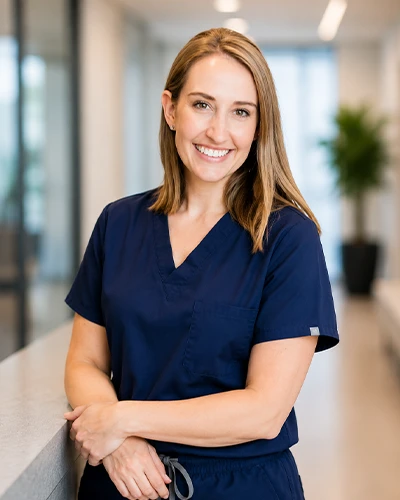
Dr Esther Scott
Dr Esther Scott is the clinical lead for the programme and does every intake consultation for patients who have not been referred by a specialist dermatologist. She is a GP with a special interest in dermatology and holds a Diploma in Dermatology from the Royal College of Physicians of Ireland.
Where to have this done
Skin Cancer Prevention and Treatment Programme is available at The Sanctuary only.
Related
Not sure whether this is what you need? Call 021 490 4380 and describe the problem. Reception will book you with the right person.
Skin Cancer Prevention and Treatment Programme: common questions
Cannot find what you are looking for? Message us on WhatsApp and reception will come back to you.
WhatsApp UsHow long does treatment take?
The standard programme runs over about four weeks, from your intake consultation to your follow-up. A shorter course is available for some patients, but only after a dermoscopy review or on referral from a specialist dermatologist, because the skin has to be checked first. Your doctor will explain which course you are on.
Will my skin look worse before it gets better?
Yes, for a while, and that is expected. The treated skin usually becomes red, sore and crusted as the treatment works, and the reaction is strongest towards the end of the course. The daily check-ins tell you what is normal at each stage, and the clinic visit at the peak helps calm it down.
Can I work during treatment?
Most people carry on working, but the treated skin can look red and inflamed for a couple of weeks, which some people prefer to plan around. You need to keep the area out of direct sun throughout, so outdoor work needs extra care, and your doctor can help you choose a start date that suits you.
Do I need a referral?
No, you can book directly. If you have not been referred by a specialist dermatologist, the programme starts with an intake consultation and dermoscopy with Dr Scott, so we can rule out anything that needs a biopsy first.
Is it covered by medical aid?
It depends on your scheme and plan. Reception will check your cover and confirm your costs before you start, so nothing on your account comes as a surprise.
Who checks in with me on WhatsApp?
A member of our clinical team, who passes anything concerning straight to your doctor. For anything urgent, call us on the practice number rather than waiting for a message.
Other treatments we offer
 Read more
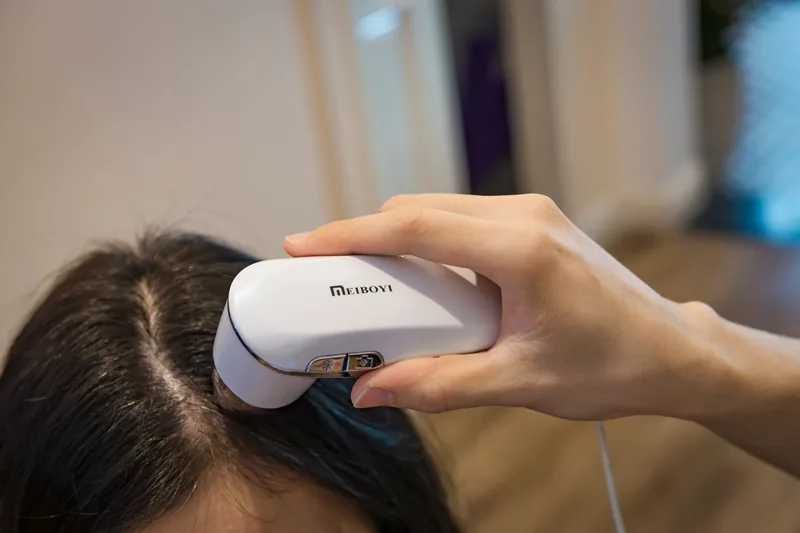
Trichoscopy
Advanced digital analysis of hair and scalp
 Read more
Psoriasis Monitoring
Advanced imaging to document and monitor psoriasis
 Read more
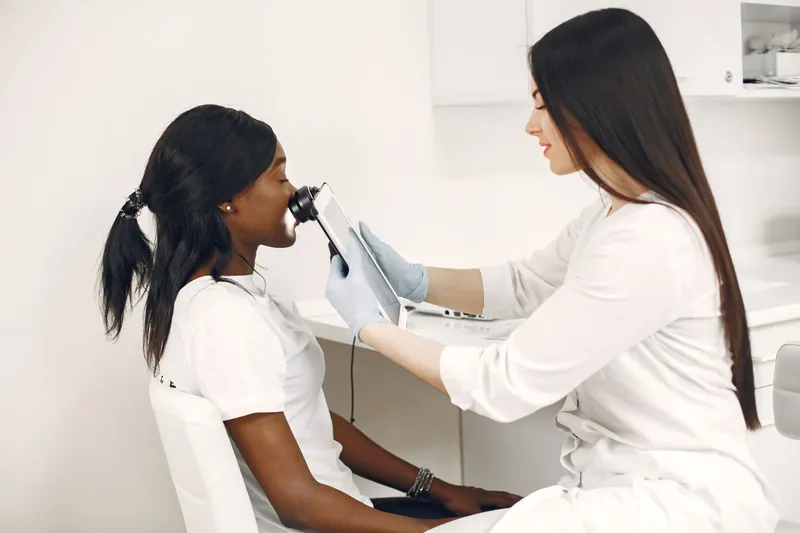
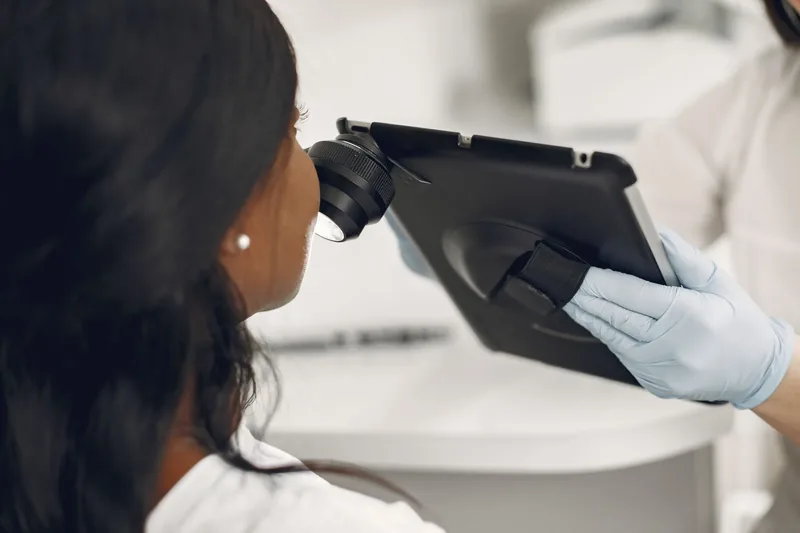
Aesthetic Skin Analysis
Advanced imaging for personalised aesthetic treatment planning
 Read more
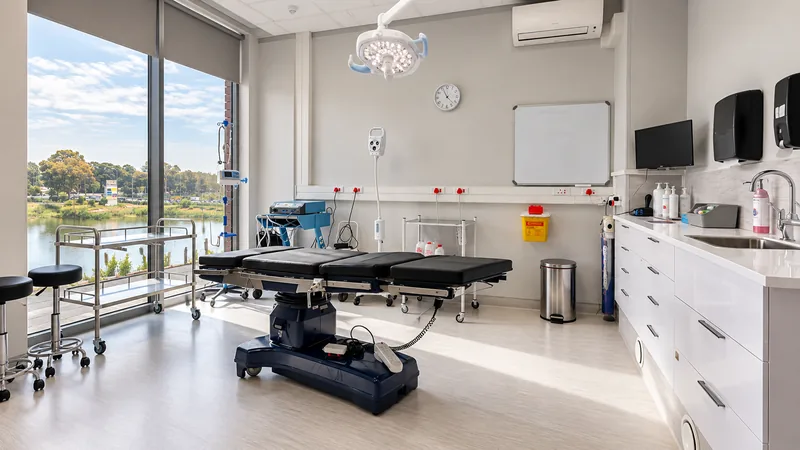
Total Body Dermoscopy
Advanced full-body imaging for detailed skin monitoring
 Read more
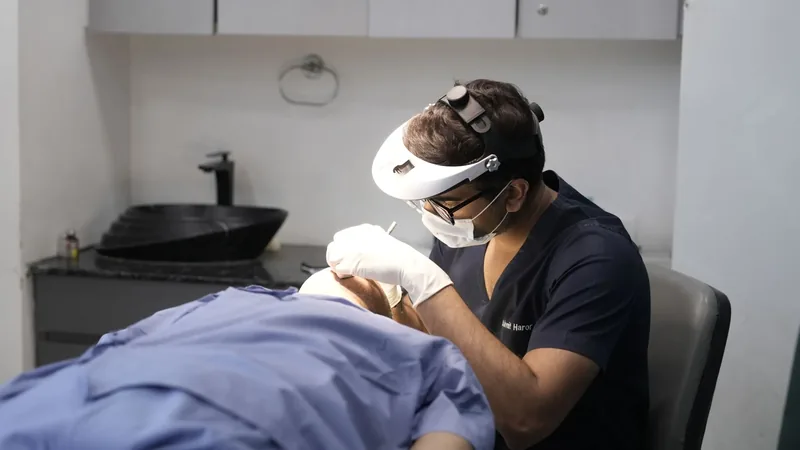
Skin Cancer Treatment & Excisions
Biopsy, excision and histology for basal cell, squamous cell and suspicious lesions.
 Read more
Mole & Skin Lesion Removal
Medical removal of moles and skin lesions, with histology on everything we remove.
Book skin cancer prevention and treatment programme
Book a slot, see a doctor who listens, and leave with a clear plan.
Operating hours
- Monday – Friday
- 08:00 – 19:00
- Saturday
- 09:00 – 17:00
- Sunday
- 09:00 – 14:00
- Public holidays
- 08:00 – 14:00
Shop F14A, First Floor, The Sanctuary Shopping Centre, Cnr De Beers Ave & Broadway Blvd (R44), Somerset West, 7130