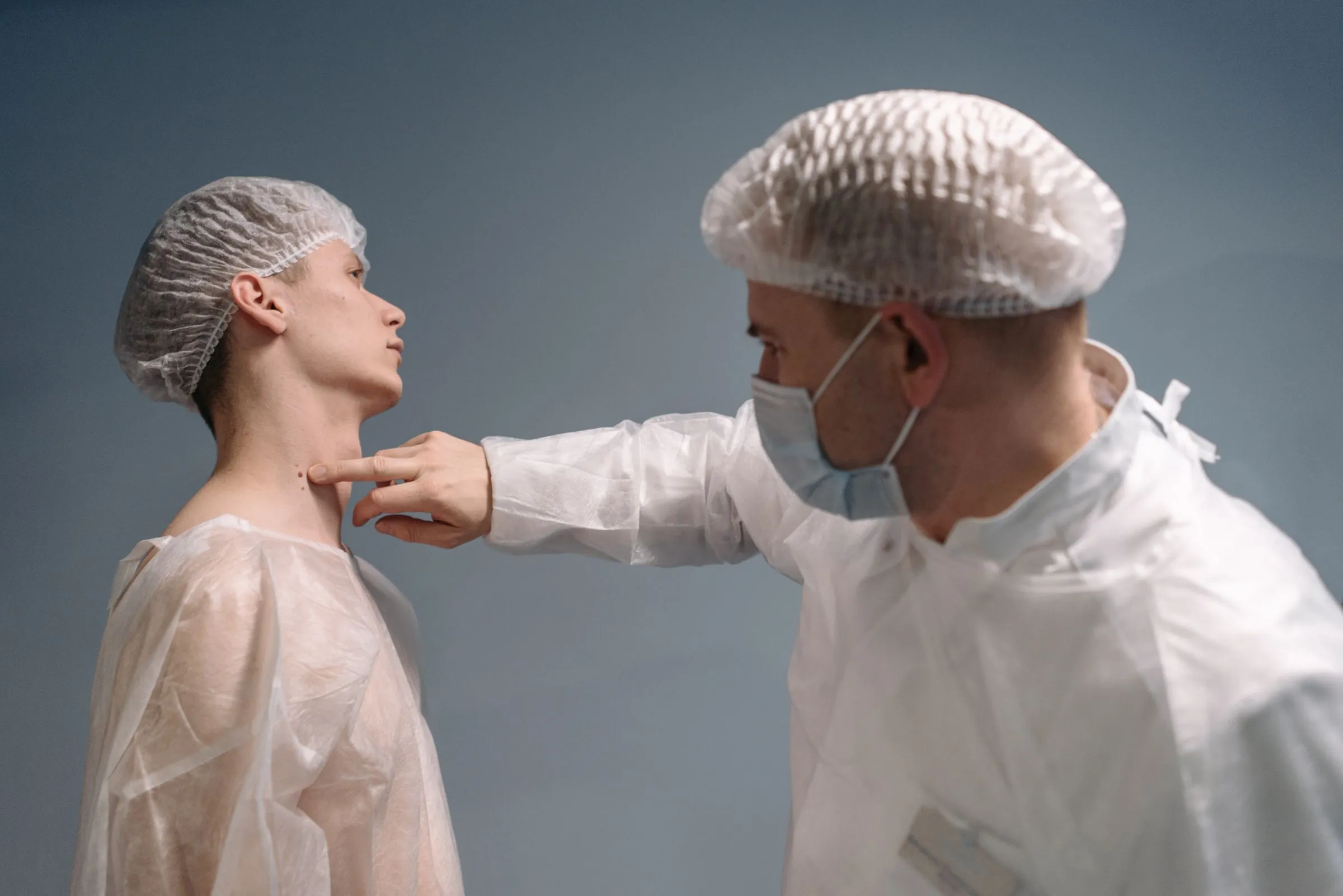
Mole mapping and skin screening are now available in Somerset West at West Med Medical Centre - The Sanctuary, using the FotoFinder ATBM Master. The system creates high-resolution photographic documentation of your skin, giving your healthcare professional a baseline to compare against at future appointments.
Early identification of suspicious or changing moles plays an important role in the detection and management of skin cancer. For patients with multiple moles, significant sun exposure, changing lesions or an increased risk of skin cancer, regular screening can reveal information that a once-off visual examination may not.
What is mole mapping?
Mole mapping is a systematic process used to photograph and document moles and other skin lesions across the body.
Rather than relying on memory to judge whether a mole has changed, mole mapping gives healthcare professionals a visual record that can be compared during future examinations. That matters most when a patient has numerous moles that are difficult to track individually.
At West Med Sanctuary in Somerset West, mole mapping is performed with the FotoFinder ATBM Master, a technology developed specifically for total body photography and skin documentation.
What is the FotoFinder ATBM Master?
The FotoFinder ATBM Master is a total body mapping system that produces high-resolution photographic documentation of the skin.
During screening, images are captured systematically across different areas of the body. These form a baseline record used at later appointments to help identify new or changing lesions.
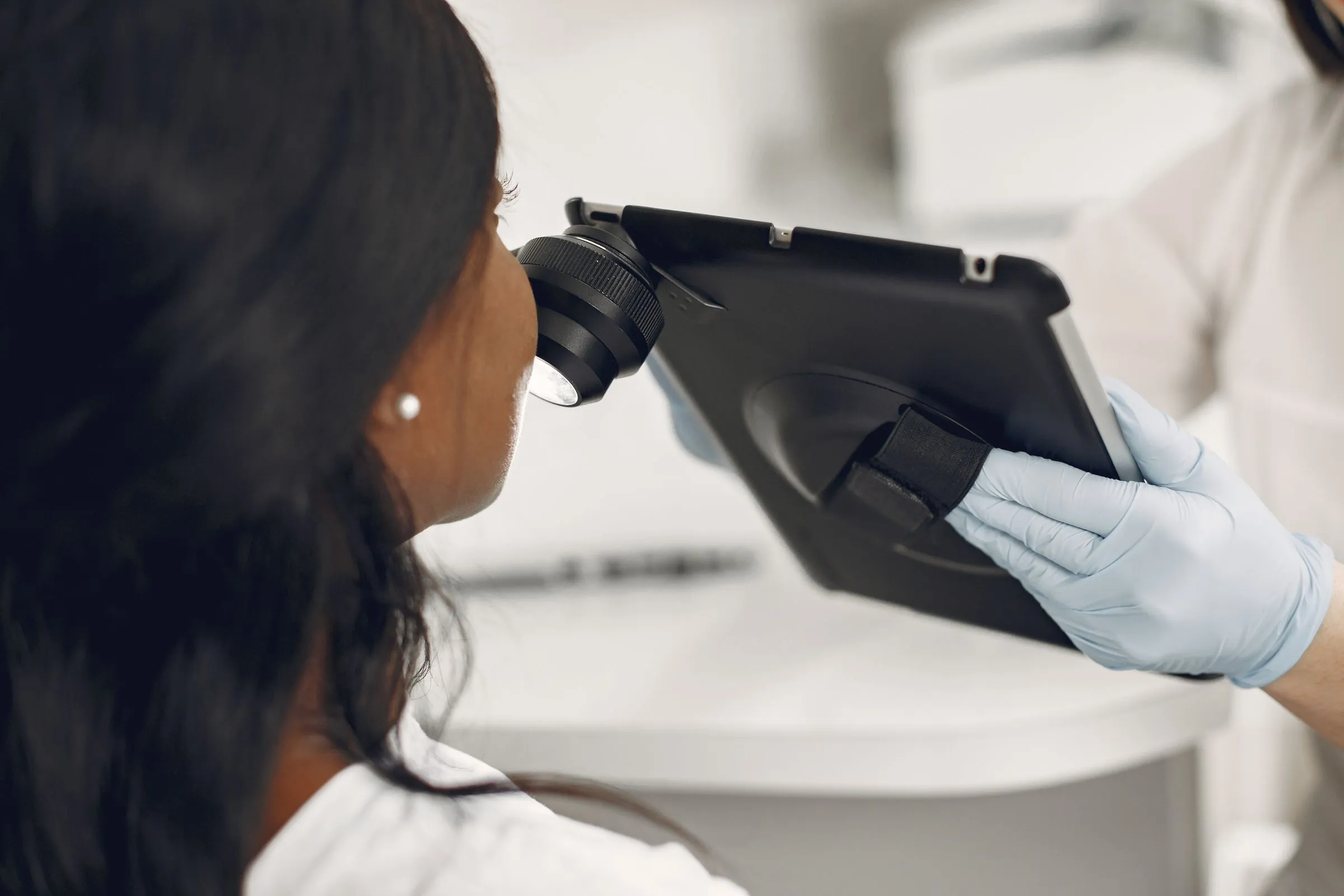
Where necessary, individual moles or suspicious areas can be examined in greater detail using dermoscopic imaging. The combination of total body photography and digital dermoscopy gives healthcare professionals more information when assessing and monitoring the skin.
Why monitoring changes in your moles matters
Most moles are harmless. Changes in the appearance of a mole, however, can sometimes require further medical assessment.
Changes worth having evaluated include:
- A mole changing in size
- Changes in shape or symmetry
- Irregular or changing borders
- Changes in colour
- A new or unusual-looking lesion
- Bleeding, crusting or persistent irritation
- A mole that looks noticeably different from the others
Digital mole mapping creates a documented baseline against which future changes can be compared.
Mole mapping does not replace clinical assessment or biopsy where these are medically indicated. It is an additional tool for documenting and monitoring the skin.
Who should consider mole mapping?
Anyone concerned about their moles or skin can request an assessment. Mole mapping is particularly useful for people who:
- Have a large number of moles
- Have atypical or unusual-looking moles
- Have noticed changes in existing moles
- Have had significant sun exposure
- Have a personal history of skin cancer
- Have a family history of melanoma or other skin cancers
- Find it difficult to monitor their own moles
- Want to establish a baseline record of their skin
Your healthcare professional can advise whether total body mole mapping is appropriate for your circumstances.
What happens during a FotoFinder mole mapping appointment
At West Med Medical Centre - The Sanctuary, a series of high-resolution images of the skin are captured using the FotoFinder ATBM Master. These provide a systematic record of moles and lesions across the body.
Areas needing closer examination are then assessed in more detail. Digital dermoscopic images may be captured where appropriate, allowing specific lesions to be documented for clinical assessment or future comparison.
When you return for follow-up screening, previous images are compared with new ones to help identify changes over time.
If a lesion requires further investigation, your healthcare professional will recommend the next step. That may include closer monitoring, biopsy, excision or referral where clinically indicated.
Mole mapping vs a standard mole check
A conventional mole check involves examining the skin and assessing individual lesions at a single point in time.
Digital mole mapping adds documented comparison over time. For patients with many moles, subtle changes are difficult to remember or spot without previous images to compare against.
The FotoFinder ATBM Master does not replace the expertise of the healthcare professional. It supports clinical assessment and ongoing monitoring with imaging and documentation.
How often should you have mole mapping?
There is no single screening interval that suits every patient.
Frequency depends on the number and appearance of your moles, your personal and family history, previous sun exposure and any changes identified during examination. After your initial assessment, your healthcare professional can recommend a follow-up schedule based on your individual risk profile.
Do not wait for a scheduled appointment if you notice a concerning or rapidly changing lesion. Arrange a medical assessment as soon as possible.
Skin screening for Somerset West, Strand, Stellenbosch and Gordon's Bay
Living in South Africa means most people accumulate significant sun exposure over a lifetime, which makes proactive monitoring of the skin a sensible part of preventative healthcare.
West Med has introduced the FotoFinder ATBM Master at The Sanctuary in Somerset West to provide access to mole mapping, total body photography and digital skin documentation. The service is available to patients in Somerset West, Stellenbosch, Strand, Gordon's Bay and the surrounding Cape Town areas.
Frequently asked questions
How long does a mole mapping appointment take?
The appointment involves capturing a systematic series of images across the body, followed by closer examination of any areas of concern. Our reception team can confirm the expected duration when you book.
Is mole mapping painful?
No. The process is non-invasive and involves photography and dermoscopic imaging only. Nothing touches the skin in a way that causes discomfort.
Does mole mapping diagnose skin cancer?
No. Imaging supports the assessment and monitoring of the skin. Any suspicious lesion still needs to be clinically assessed and investigated where appropriate, which may include a biopsy.
How is mole mapping different from a normal mole check?
A standard mole check assesses lesions at one point in time. Mole mapping creates a photographic record that allows changes to be identified by comparison at future appointments.
Do I need a referral for mole mapping?
No referral is required. You can book directly with West Med Medical Centre - The Sanctuary.
Where is the service available?
At West Med Medical Centre - The Sanctuary in Somerset West, serving patients across the Helderberg and greater Cape Town area.
Book mole mapping at West Med Sanctuary
If you have multiple moles, have noticed a changing lesion, or simply want to take a more proactive approach to your skin, Advanced Mole Mapping with the FotoFinder ATBM Master is now available at West Med Medical Centre - The Sanctuary in Somerset West.
Establishing a detailed baseline today makes it easier to monitor your skin for changes in future.
Advanced imaging assists healthcare professionals with skin assessment and monitoring but does not independently diagnose skin cancer. Any suspicious lesion should be clinically assessed and investigated where appropriate.
This article is general health information and is not a diagnosis. If your symptoms are severe, worsening or you are unsure, call 021 490 4380 and speak to reception rather than waiting.