
Acne is one of the most common skin conditions we see at West Med, in teenagers and in adults well into their thirties and forties. Almost every patient asks the same thing: is it something I am eating?
For years the standard answer was no. The research now says otherwise. Food is not the only cause of acne, but for many people it is part of the picture.
What the research found
A systematic review in JAAD International, a journal of the American Academy of Dermatology, looked at how diet affects acne. The researchers screened 410 published articles and kept the 34 studies that met their quality standards. Two findings stood out.
Sugar and refined carbohydrates
High glycaemic foods, the ones that push your blood sugar up quickly, had a modest but real acne-promoting effect. Think white bread, sugary drinks, sweets, pastries and most processed snacks. This finding was backed by randomised controlled trials, the strongest type of study.
Dairy
The evidence here is mixed. Higher dairy intake seemed to worsen acne in some groups, mainly people eating a typical Western diet, but not in everyone.
The review also found that the effect of food on acne differs from person to person, and probably varies by sex and ethnicity. More trials are needed, so nobody should promise you that a diet will clear your skin.
Why food shows up on your skin
The link is hormonal. Sugary and refined foods cause a spike in insulin and in a related hormone called insulin-like growth factor 1 (IGF-1). Both raise the activity of androgens, the hormones that tell your skin to produce more oil. More oil means more blocked pores and more inflammation, and that is how a breakout starts. Dairy appears to act on the same hormones.
So acne is not only happening on the surface. It reflects what is going on inside your body.
Treat the whole body, not only the skin
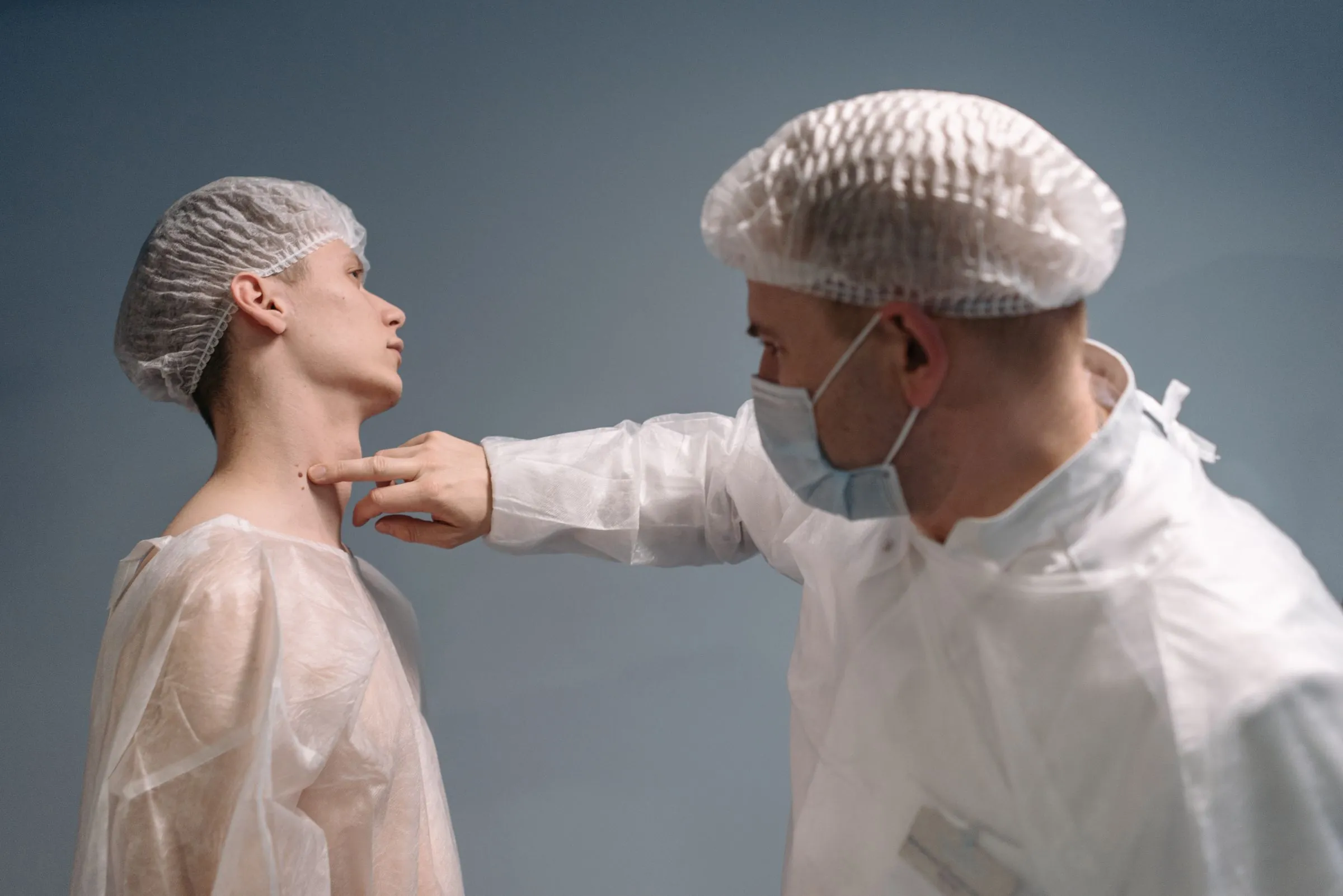
Dr Esther Scott, a West Med GP with a special interest in dermatology, recommends looking at your skin holistically. Her view is that your skin is a mirror of your general health, so lasting results come from healing the whole body and not only treating the spots you can see.
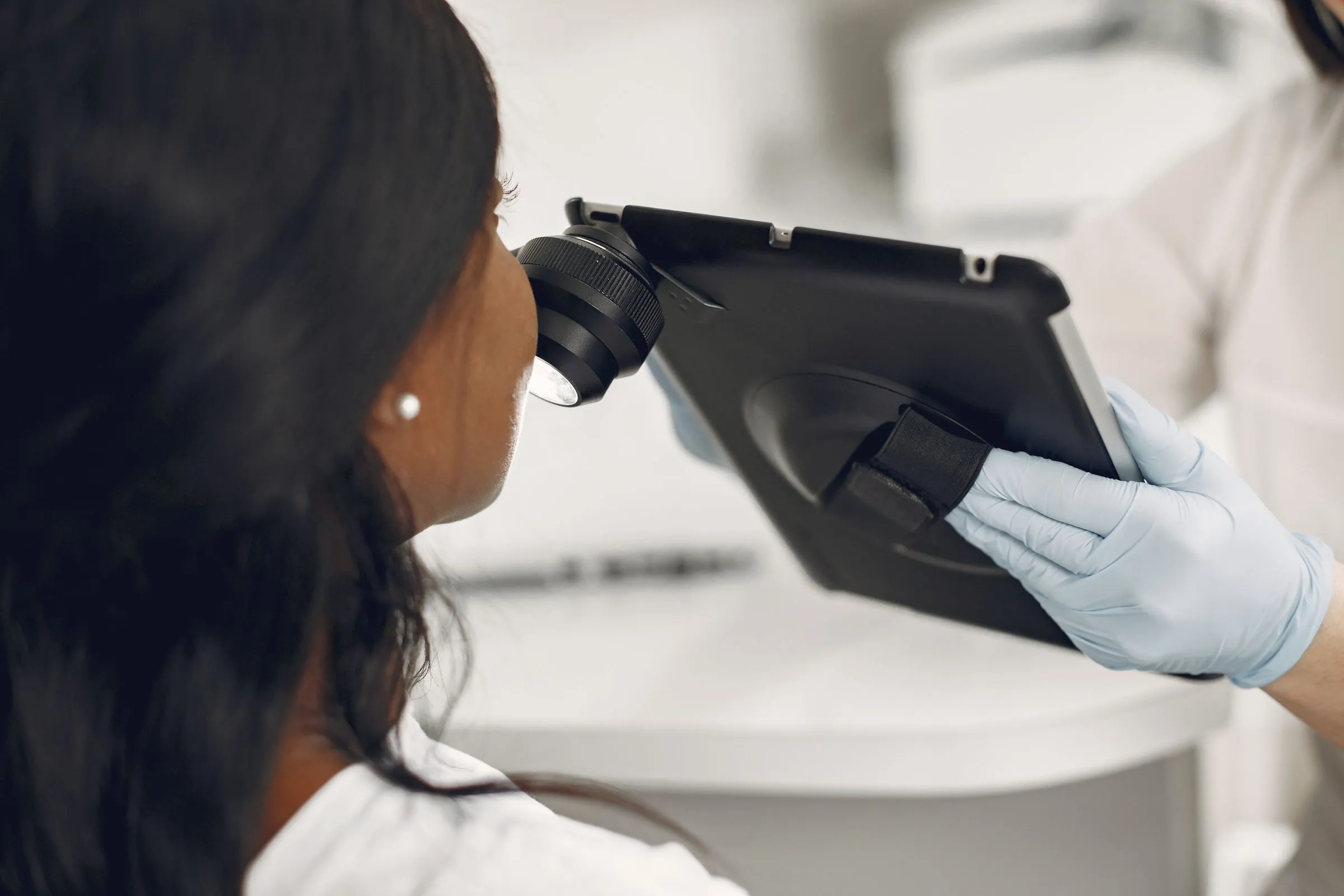
In practice, that means a skin consultation covers more than creams. Dr Scott looks at:
- What you eat and drink on a normal day
- Hormonal factors, including your cycle, contraception and conditions that affect hormones
- Stress levels and how well you are sleeping
- Medication and supplements, some of which can trigger breakouts
- Your current skincare routine and the products you use
A cream or tablet can calm the skin, but if the underlying drivers stay the same, the acne tends to return. Treating both gives you the best chance of clear skin that lasts.
What you can do now
You do not need an extreme diet. Small, steady changes are easier to keep up and easier to measure.
Swap refined carbs for whole foods
Choose brown or seeded bread, oats, legumes, vegetables and whole fruit over white bread, sweets and fizzy drinks.
Watch the sugary drinks
Cooldrinks, energy drinks and fruit juice are some of the quickest ways to spike your blood sugar.
Test dairy, do not ban it
If you suspect milk makes your skin worse, cut back for a few weeks and see what happens. Speak to your doctor before removing a whole food group, especially for teenagers who are still growing.
Keep a simple food and skin diary
Skin responds slowly, so give any change at least a few weeks before you judge it.
Look after sleep and stress
Both affect your hormones, and your skin often shows it.
Diet supports acne treatment. It does not replace it.
When to see a doctor
Book a consultation if your acne is painful, leaves marks or scars, has not improved with pharmacy products, or is affecting your confidence. Early treatment is the best way to prevent permanent scarring.
At West Med, your doctor will assess your skin together with your diet, hormones and lifestyle, and build a treatment plan around all of it. Book your skin consultation at West Med today.
Reference
This article is general health information and is not a diagnosis. If your symptoms are severe, worsening or you are unsure, call 021 490 4380 and speak to reception rather than waiting.